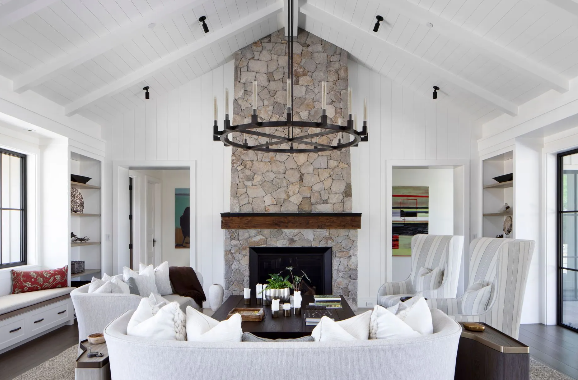
Sunroom Addition Guide: 5 Steps to Your Dream Space in 2026
A sunroom addition guide provides a roadmap for homeowners to create a bright, climate-controlled living space that blends indoor comfort with outdoor views. In Greenville, SC, this involves selecting design types—like four-season or three-season rooms—navigating local zoning permits, and choosing energy-efficient materials that suit the Upstate South Carolina climate.
Adding a sunroom to your home is more than just an architectural upgrade; it is an investment in your quality of life. Whether you are looking for a tranquil spot for your morning coffee or a versatile space for family gatherings, understanding the nuances of the planning phase is critical. In Greenville and surrounding areas like Greer, SC or Berea, SC , homeowners are increasingly turning to sunrooms to bridge the gap between their indoor sanctuary and the beautiful natural landscapes of the Piedmont region.
What are the Different Sunroom Design Options?
Choosing the right design is the most significant decision you will make in your sunroom journey. The architecture of your home, your intended use for the space, and your budget will all influence this choice. Here are the most common configurations available today:
- Four-Season Sunrooms : These are fully integrated into your home’s HVAC system. They feature thermally engineered frames and high-performance glass to ensure comfort during both the humid South Carolina summers and the chilly winter months.
- Three-Season Sunrooms : Designed for use during spring, summer, and fall, these rooms are not typically connected to the central heating and cooling system. They are an excellent, cost-effective choice for those who primarily want to enjoy the outdoors without pests or rain.
- Conservatories and Solariums : These structures are characterized by having glass roofs in addition to glass walls. They offer the most dramatic views and are ideal for indoor gardening or stargazing.
- Screen Rooms : A screen room provides maximum ventilation and protection from insects. It is a popular choice for those who love the feeling of a breeze but want to avoid the nuisance of mosquitoes.
- Porch and Patio Conversions : If you have an existing porch, a Sunroom Contractor can often enclose the space with glass or vinyl panels, transforming a seasonal area into a year-round retreat.
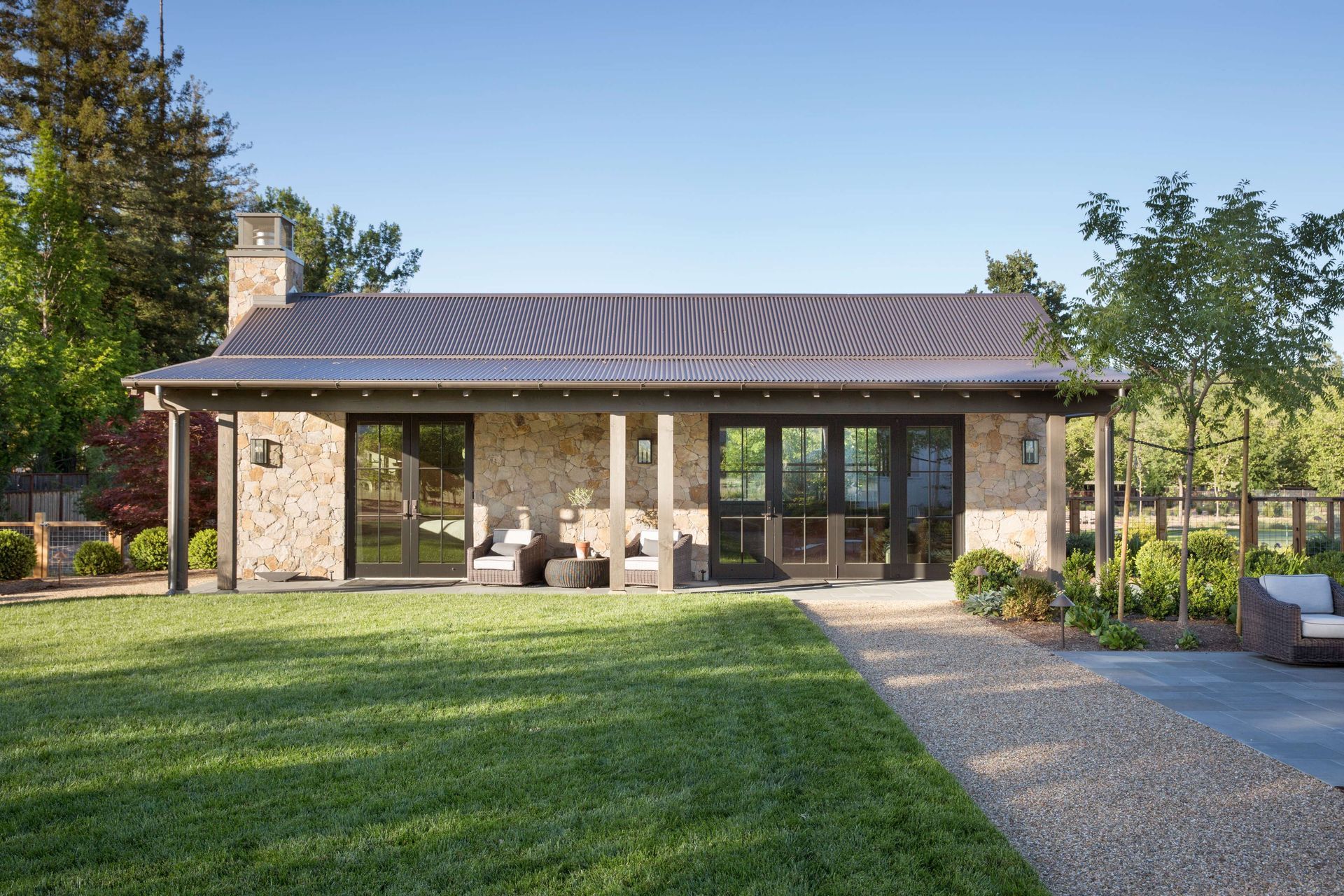
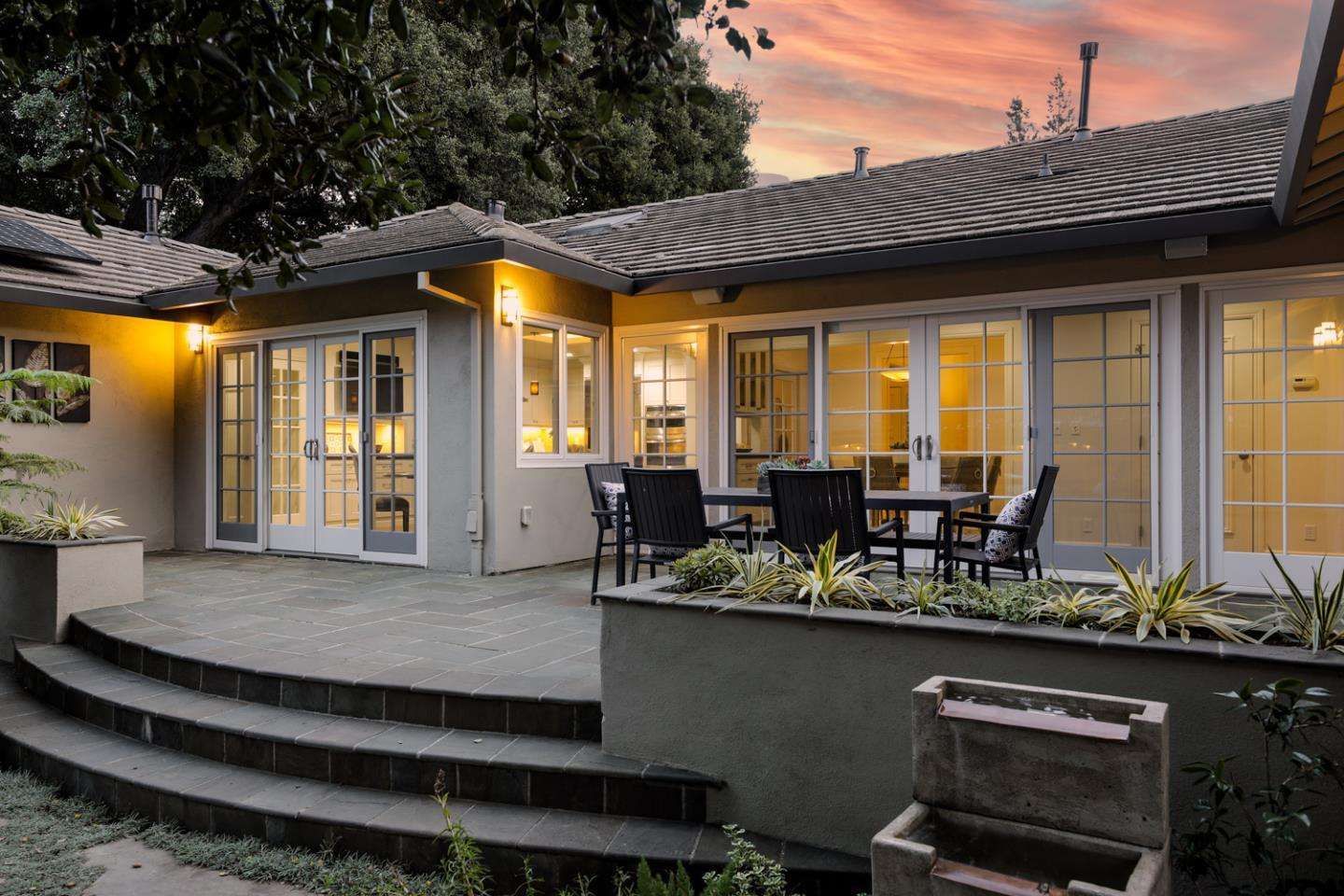
When exploring Home Additions , it is essential to consider how the new structure will align with your existing roofline. A well-designed sunroom should look like a natural extension of the original building, not an afterthought. This is where professional Design services become invaluable, ensuring that the shingles, siding, and trim match perfectly.
Do I need a permit for a sunroom in Greenville, SC?
Yes, in almost every instance, a sunroom addition requires a building permit. Greenville County and the City of Greenville have specific building codes and zoning ordinances that must be followed to ensure the safety and structural integrity of the addition. Navigating this bureaucratic landscape is one of the primary reasons homeowners partner with a professional General Contractor .
Permitting involves several steps, including the submission of detailed site plans and architectural drawings. These documents must show the location of the sunroom relative to property lines (setbacks) and existing structures. Additionally, the plans must demonstrate compliance with South Carolina’s energy codes and wind load requirements, which are particularly important given the region's weather patterns. Failure to secure the proper permits can lead to fines, delays, and significant issues when it comes time to sell your home.
The Sunroom Construction Process
The timeline for building a sunroom can vary based on the complexity of the design and the materials used, but the general workflow follows a predictable pattern. Understanding these phases helps manage expectations and reduces the stress associated with home construction.
- Initial Consultation and Site Evaluation : A specialist assesses your yard, the foundation of your home, and your electrical needs.
- Design and Engineering : Detailed blueprints are created, and materials—such as high-efficiency glass and insulated framing—are selected.
- Site Preparation and Foundation : This may involve pouring a new concrete slab or reinforcing an existing deck to support the weight of the glass and framing.
- Framing and Enclosure : The structural bones of the room are erected, followed by the installation of windows, doors, and the roof system.
- Interior Finishes and Integration : Electrical wiring is completed, flooring is installed, and if it is a four-season room, the HVAC ductwork is connected.
Throughout the process, inspections will be conducted by local officials to verify that the work meets all safety standards. Working with an experienced team ensures that these inspections pass smoothly, preventing costly rework. Whether you are adding a small sunroom or a larger Bonus Room Addition , professional oversight is the key to a successful outcome.
How can I maximize energy efficiency in my new space?
Because sunrooms are primarily made of glass, energy efficiency is a top priority. Without the right materials, a sunroom can become a greenhouse in the summer and an icebox in the winter. Modern technology has introduced several features that help maintain a consistent temperature without skyrocketing your utility bills.
Low-Emissivity (Low-E) glass is the gold standard for sunrooms. This glass has a microscopically thin coating that reflects infrared light, keeping heat out during the summer and trapping it inside during the winter. Furthermore, argon gas-filled panes provide an extra layer of insulation. When combined with thermally broken frames—which prevent heat from transferring through the metal or vinyl—your sunroom becomes a highly efficient space.
- Window Tints : Lightly tinted glass can reduce glare and UV rays that fade furniture.
- Ceiling Fans : Installing a fan helps circulate air and reduces the load on your cooling system.
- Proper Insulation : Ensure the floor and roof are insulated to the same standards as the rest of your home.
- Quality Sealing : Professional installation prevents drafts and moisture intrusion around window seals.
Choosing the Right Sunroom for Your Lifestyle
Before you break ground, take a moment to reflect on how you will use the space. Are you looking for a quiet home office, a vibrant playroom for children, or an elegant dining area? Your lifestyle should dictate the layout and features. For instance, if you plan to use the room for entertainment, you might want to include extra electrical outlets for a sound system or television. If it is a sanctuary for plants, floor-to-ceiling glass and waterproof flooring become more important.
In communities like Taylors, SC and Travelers Rest, SC , sunrooms often serve as the "heart of the home" during the holiday season, providing a beautiful backdrop for family photos and celebrations. By focusing on both form and function, you create a space that offers lasting value.
Summary: Key Takeaways for Your Home Addition
Adding a sunroom is a transformative project that requires careful planning and expert execution. By following this sunroom addition guide, you can ensure your project enhances your home’s value and your daily enjoyment. Remember that local regulations in Greenville, SC, require professional permitting, and choosing energy-efficient glass is essential for year-round comfort.
- Identify your primary use : Choose between three-season and four-season based on your lifestyle and budget.
- Prioritize professional design : Ensure the addition matches your home's existing architecture for better curb appeal.
- Secure necessary permits : Always verify local zoning and building codes before starting construction.
- Focus on energy efficiency : Invest in Low-E glass and insulated frames to manage temperature fluctuations.
- Partner with experts : Work with an experienced Sunroom Contractor to handle the complexities of the build.
By taking the time to plan each step, you can create a seamless transition between your indoor and outdoor living areas that your family will enjoy for decades to come.