Greenville, SC ADU Laws 2026: Zoning, Costs & Rules
In 2026, adu laws greenville sc mandate that accessory dwelling units (ADUs) must be secondary to a primary residence, often requiring owner-occupancy on the property. Regulations typically limit size to approximately 1,000 square feet or 50% of the main home's footprint, with strict adherence to architectural matching and setback requirements.
What are the ADU laws in Greenville, SC in 2026?
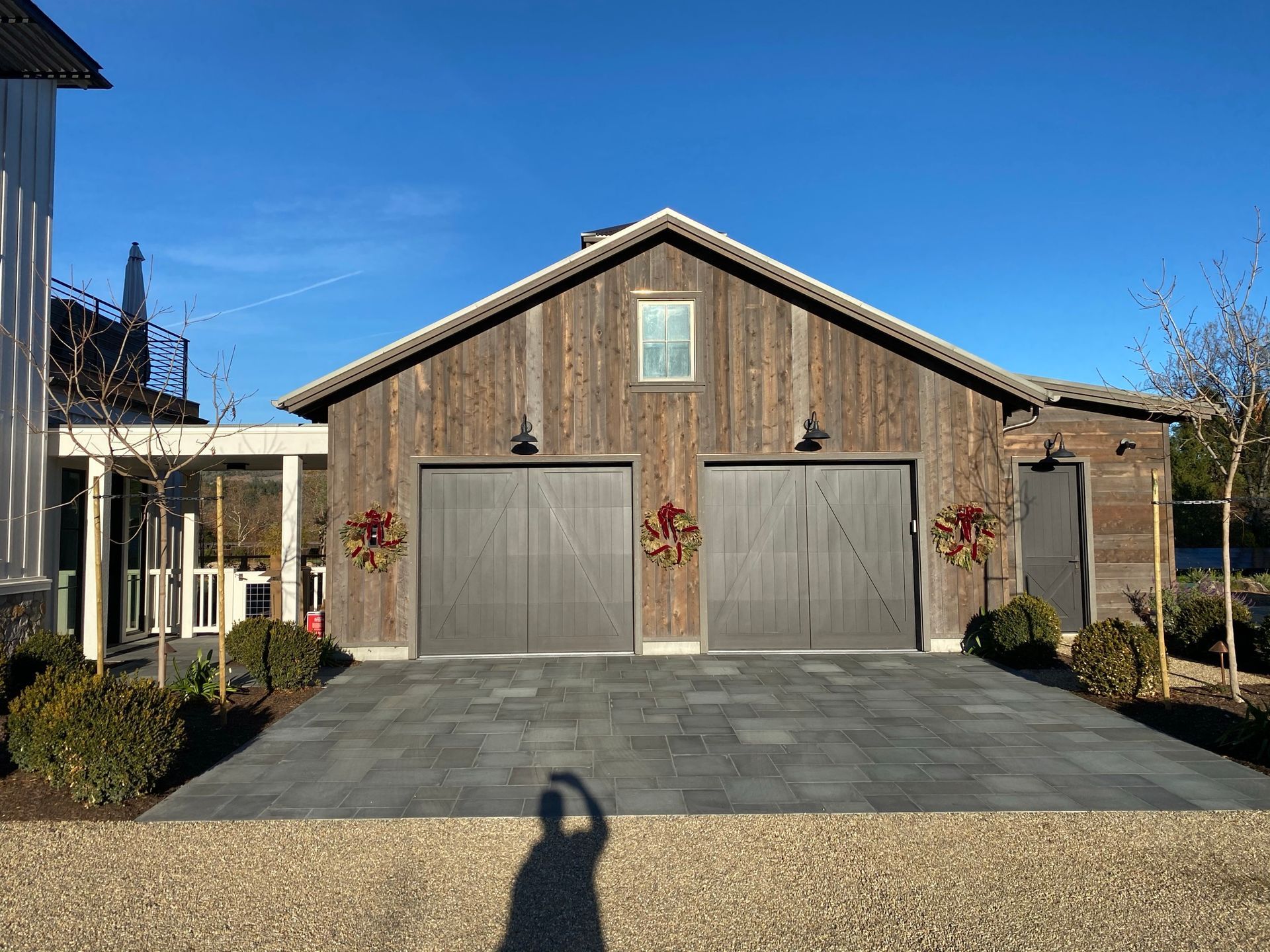
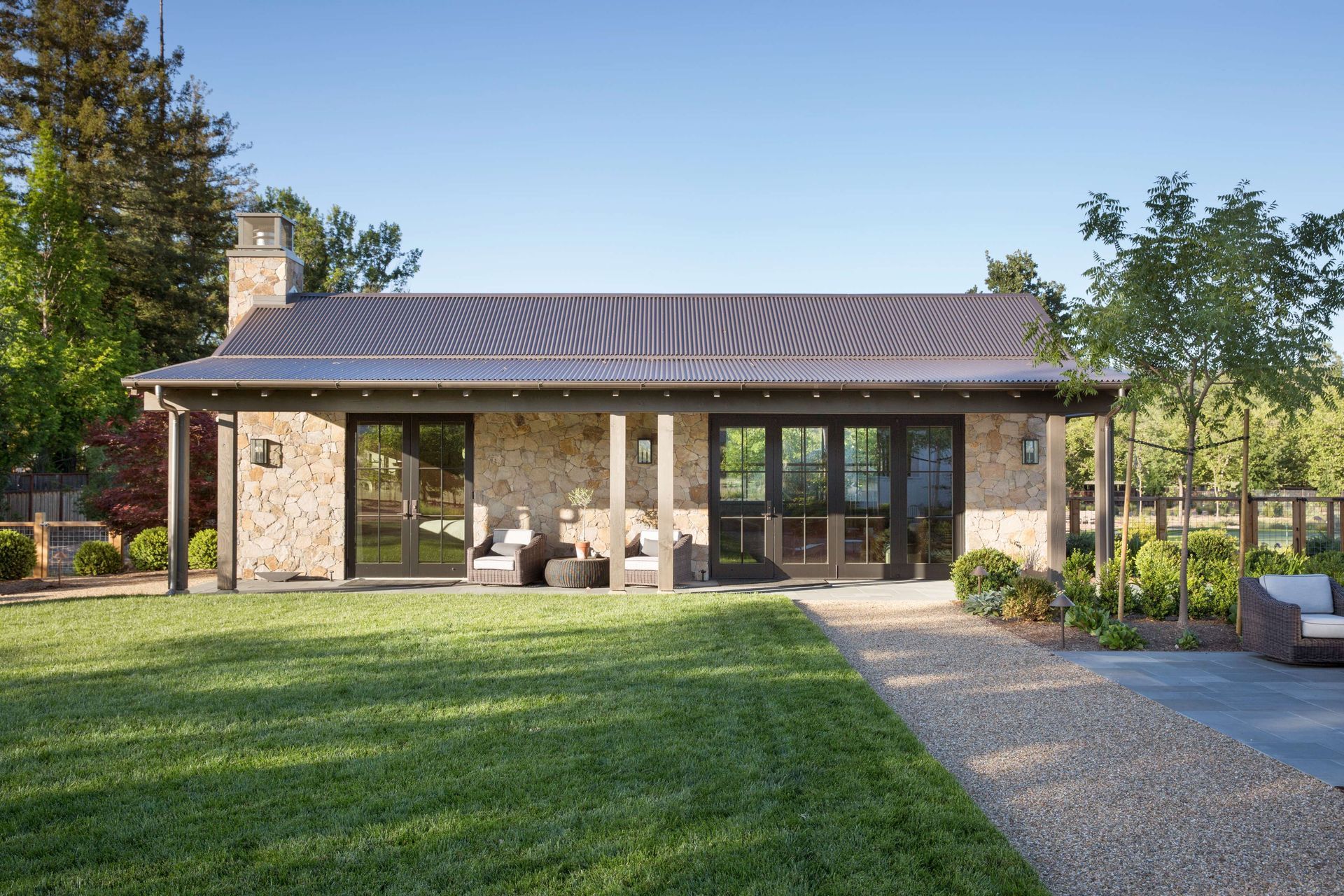
As of 2026, the City of Greenville and Greenville County have refined their ordinances to address the growing housing demand while maintaining neighborhood character. An Accessory Dwelling Unit, often called a backyard cottage, is a secondary housing suite on a single-family residential lot. These can be detached (a standalone building), attached (an addition to the main house), or internal (a converted basement or attic).
The most significant update in the 2026 code involves the 'Principal Use' clause. This means the ADU cannot be the only structure on the lot; there must be a primary residence. Furthermore, the city maintains strict rules regarding who can live in these spaces. In many residential zones, the property owner is required to reside in either the main house or the ADU. This prevents investors from buying single-family lots and turning them into double-rental properties, which helps preserve the stability of Greenville’s historic and suburban neighborhoods.
Core 2026 ADU Requirements in SC:
- Owner Occupancy: Required for most residential zones in the city limits.
- Maximum Size: Generally capped at 1,000 square feet or 50% of the primary home’s size (whichever is smaller).
- Parking: At least one additional off-street parking space is typically required.
- Quantity: Only one ADU is permitted per single-family lot.
- Utilities: Must be connected to the primary home's utility lines in most jurisdictions.
Understanding these ADU requirements in South Carolina, specifically in Greenville, is the first step toward a successful build. Navigating the difference between city-proper rules and county-wide regulations is crucial, as the City of Greenville often has more stringent aesthetic and density controls than unincorporated parts of the county.
Key Zoning and Permit Requirements for Your Backyard Cottage
Zoning is often the most complex part of the process. In Greenville, your property must be zoned correctly (usually R-6, R-9, or similar residential classifications) to allow for an ADU. Before you even look at floor plans, you must verify your 'setbacks.' A setback is the distance a building must be from the property line. For ADUs, rear and side setbacks are critical to ensure you aren't infringing on your neighbor's privacy or violating fire safety codes.
Permitting involves a multi-step review process. You will need to submit detailed site plans, architectural drawings, and utility configurations to the Greenville Planning and Development department. They will check for:
- Drainage and Runoff: How the new roof surface affects water flow on your lot.
- Structural Integrity: Meeting the latest South Carolina building codes.
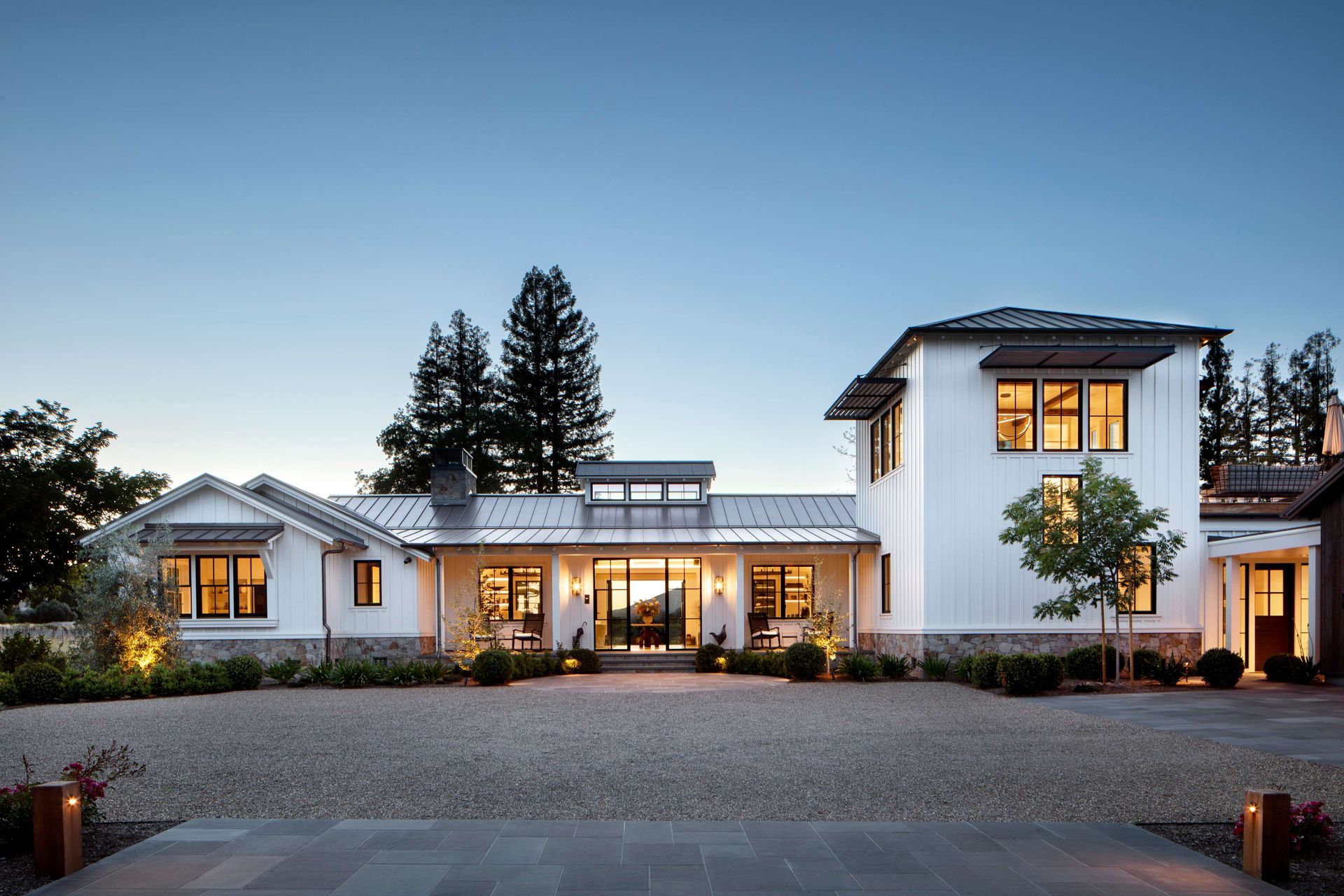
- Architectural Consistency: The ADU must 'match' the main home in terms of roof pitch, siding materials, and color palette.
- Tree Protection: Greenville has strict ordinances regarding the removal of heritage trees during construction.
If you are considering home additions or a garage conversion, the permitting process might differ slightly, but the goal remains the same: safety and neighborhood harmony. Working with a professional ADU Builder in Greenville, SC is highly recommended because they understand the nuances of the local permit office, which can save months of delays.
How much does it cost to build an ADU in Greenville?
Budgeting for an ADU in 2026 requires a realistic look at material costs, labor, and soft costs like permits and engineering. While a backyard cottage in Greenville is smaller than a standard home, the 'per square foot' cost is often higher because you are still installing a full kitchen, bathroom, and HVAC system in a smaller footprint.
On average, homeowners in the Upstate can expect to spend between $150,000 and $350,000 for a high-quality, detached ADU. Factors that drive the price include:
- Site Prep: Grading, clearing trees, and managing soil stability.
- Utility Hookups: Running new sewer, water, and electrical lines from the main house to the ADU can cost between $10,000 and $25,000 depending on the distance.
- Finishes: Granite countertops, custom cabinetry, and hardwood floors will increase the final price but also boost your property value.
- Design Fees: Professional architectural plans are necessary for both the permit office and the construction team.
Rental Rules and Occupancy Restrictions You Must Know
A major motivation for building an ADU is the potential for rental income. However, the rental rules in Greenville, SC are very specific regarding short-term vs. long-term stays. Most residential zones prohibit the use of ADUs as short-term rentals (like Airbnb) unless the property has a specific commercial or mixed-use zoning designation.
For the majority of homeowners, this means your ADU must be rented for a minimum of 30 days—and in some city neighborhoods, the requirement is 180 days or longer to discourage 'hotel-style' usage in quiet streets. These rules are designed to protect the integrity of residential areas while still allowing for 'missing middle' housing—affordable options for students, retirees, or single professionals.
Additionally, the adu requirements in the South Carolina state that the unit cannot be sold separately from the main house. It is a part of the real estate parcel, much like a detached garage would be. This is a vital distinction for those thinking about 'condoing' their backyard cottage—it simply isn't allowed under current Greenville law.
What is the ROI on a Greenville ADU?
Despite the upfront costs, the Return on Investment (ROI) for an ADU in the Upstate is increasingly attractive. As Greenville continues to top 'best places to live' lists, property values are rising. Adding a 600-800 square foot living space can significantly increase your home’s resale value.
Beyond just the sale price, the functional ROI includes:
- Multi-generational Living: Providing a space for aging parents (saving on assisted living costs) or adult children.
- Passive Income: Long-term rentals in Greenville for a 1-bedroom ADU can range from $1,200 to $2,000 per month.
- Home Office/Flex Space: Increasing the utility of your property for remote work or guest housing.
When you calculate the monthly rental income against a construction loan payment, many homeowners find that the ADU pays for itself within 7 to 12 years, while providing a permanent boost to their net worth.
Choosing the Right ADU Builder in Greenville, SC
Building an ADU is not a standard DIY project. It requires expertise in plumbing, electrical, foundation work, and zoning laws. When looking for anADU Builder Greenville, SC, ensure they have a portfolio of completed small-scale dwellings and are familiar with the specific codes in your service area.
Nunley Custom Homes specializes in taking the stress out of this process. With decades of experience in high-end construction and home remodeling , our team understands how to design a space that looks like a natural extension of your property rather than an afterthought. We manage everything from the initial site survey to the final walkthrough, ensuring your ADU meets every legal and aesthetic requirement.
Summary: Your Path to a Greenville ADU
Navigating adu laws greenville in Greenville SC in 2026 requires careful planning, but the rewards—increased property value, additional living space, and potential income—are well worth the effort. By understanding the zoning constraints and building codes today, you can future-proof your investment for years to come.
Key Takeaways for Homeowners:
- Check Zoning First: Ensure your lot allows for an ADU and identify your setbacks.
- Prioritize Design: Match the ADU to your main home to satisfy city aesthetic requirements.
- Plan for Utilities: Budget early for the cost of connecting water, sewer, and power.
- Hire Local: Work with a builder who knows the specific permit processes in Greenville and surrounding areas like Taylors or Travelers Rest .
If you are ready to explore how an ADU can transform your property, contact us today for a consultation. Let’s build a space that adds lasting value to your home and lifestyle.